FIFA World Cup 2026 Language Access: Keeping Fans, Staff and Communities Safe
How Language Access Technology Helps Cities Welcome the World
The FIFA World Cup is more than a sporting event, it’s a global gathering of cultures, traditions, and people. In 2026, North America will host millions of visitors speaking dozens of languages, traveling across cities, transit systems, hotels, fan zones, and public spaces.
For host communities, success won’t just be measured by attendance or tourism revenue.
It will be measured by experience:
- Did visitors feel welcomed?
- Did residents feel safe?
- Did authorities prevent confusion before it escalated?
At global events, safety and hospitality are inseparable — and both depend on communication.
The Challenge: When the Whole World Arrives at Once
Large events are complex by nature. International events add an entirely new layer: language.
Cities must prepare for:
Massive crowds
Hundreds of thousands of people moving through transportation hubs, streets, and venues simultaneously.
Multilingual visitors
Fans arriving from various countries, speaking dozens of languages — often with limited English proficiency.
Potential misunderstandings
Many incidents begin not with malicious intent — but confusion. A misunderstood direction. A misinterpreted instruction. A tense moment that escalates.
In global events, communication gaps can become safety risks.
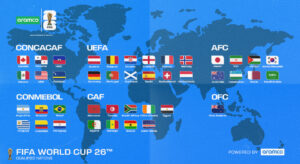
Image Credit: FIFA World Cup
The Solution: Communicate First, Respond Less
Cities preparing for international events are learning an important lesson:
Prevention happens through understanding — not just enforcement.
Three principles consistently emerge in successful event planning:
1. Unified Partnerships
Event safety involves more than police and emergency responders.
It includes:
- transportation staff
- venue employees
- volunteers
- hospitality workers
- medical teams
- local businesses
The public interacts with these groups long before they interact with first responders. Every frontline worker becomes a communicator.
But that only works if they can communicate back.
2. Real-Time Multilingual Communication
Instructions only work if they are understood.
Visitors need to quickly understand:
- directions
- restrictions
- safety guidance
- transit changes
emergency instructions
Traditionally, cities rely on signage, interpreters, or translation hotlines — but large events move too quickly for delayed communication.
Instead, teams are increasingly equipping staff with instant translation tools that allow two-way conversation in seconds.
This shifts communication from: broadcasting information → interacting with people. And interaction prevents escalation.
3. Technology That Meets People Where They Are
Modern safety planning focuses on accessibility, not just reach.
FIFA visitors may not understand an announcement or warning tone, but they will respond to a person speaking their language.
Portable translation technology enables staff to:
- give clear directions
- calm confusion
- assist lost visitors
- de-escalate tense encounters
- support medical situations
- help during evacuations
The goal is simple: remove uncertainty before it becomes a problem.
Training for Real-World Situations
Even the best technology only works if people are comfortable using it.
Cities preparing for major global events increasingly incorporate multilingual communication into drills and tabletop exercises.
Teams practice:
- assisting non-native-English speakers
- managing crowd flow through conversation
- resolving misunderstandings without force
- coordinating across agencies serving international guests
Because during a real event, communication speed matters as much as response speed.
Beyond the World Cup
Investments made for international events don’t disappear after the final match.
They improve daily operations:
- tourism support
- community engagement
- emergency response
- public services
- healthcare access
- law enforcement interactions
Language access technology becomes a permanent public-service capability — not just an event tool.
Cities that prepare for global visitors ultimately serve their own communities better.
The Role of Pocketalk
Pocketalk enables real-time, two-way communication across 90+ languages through portable translation devices, a secure app or one-to-many translation technology.
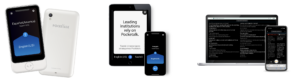
For large international events, this allows staff to:
- communicate instantly with visitors
- reduce confusion in crowded environments
- provide clear safety instructions
- de-escalate interactions
- support multilingual communities
- deliver more welcoming experiences
Safety improves when people understand each other.
And at global events, understanding is the most scalable safety strategy available.
The Takeaway
The 2026 World Cup will showcase athletic excellence — but also communication readiness.
Cities that succeed won’t just manage crowds. They’ll connect with them.
Because the most effective safety tool isn’t louder messaging.
It’s mutual understanding.
 English (US)
  English (Canada)
  English (Europe)
  English (UK)
  Español
  Français
  Deutsch
  Italiano